1. Getting in
Citizens of the EU, the UK, the US and many other countries enter Kosovo visa-free for short stays, typically up to ninety days. There is no digital-nomad visa, because for a normal remote-working visit none is needed: you arrive as a visitor and work for your employer or clients abroad as you would from any short stay. As ever with entry rules, confirm the current position for your own passport with official guidance before you fly — rules move, and this guide is practical orientation rather than immigration advice. Flights land at Pristina International Airport, about twenty minutes from the centre, with direct connections across Europe.
2. Money, and what things cost
Kosovo uses the euro, which removes a whole layer of friction — no exchange arithmetic, no surprise card rates. And it is one of the cheapest capitals in Europe to live well in: the nomad cost-of-living indexes put a central one-bedroom apartment at a few hundred euros a month and a good dinner out under €20. Cards are widely accepted in the centre; keep a little cash for markets and taxis. For the fuller operating picture — salaries, tax, utilities — our cost of doing business guide has the numbers.
3. Hours, language, connectivity
Pristina runs on Central European Time — one hour ahead of London, same day as all of Europe — which makes it an unusually good base for anyone working with European or UK teams: your nine-to-five and theirs overlap almost completely. English is widely spoken, especially among younger people; Albanian is the local language and a faleminderit (thank you) goes a long way. Fibre is widespread in the centre and video calls are routine — the city's growing outsourcing industry runs on the same infrastructure you will.
4. Where to work
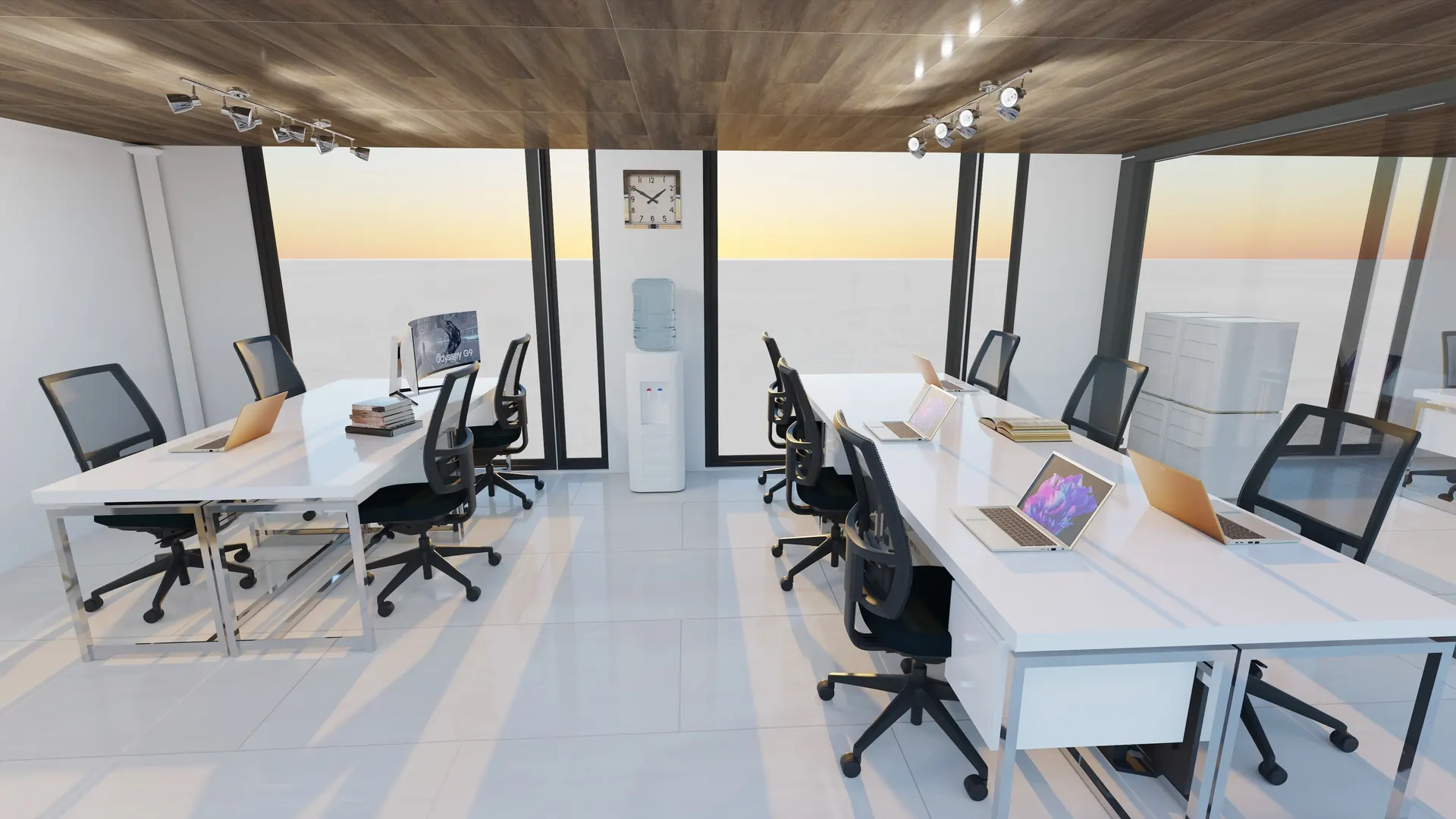
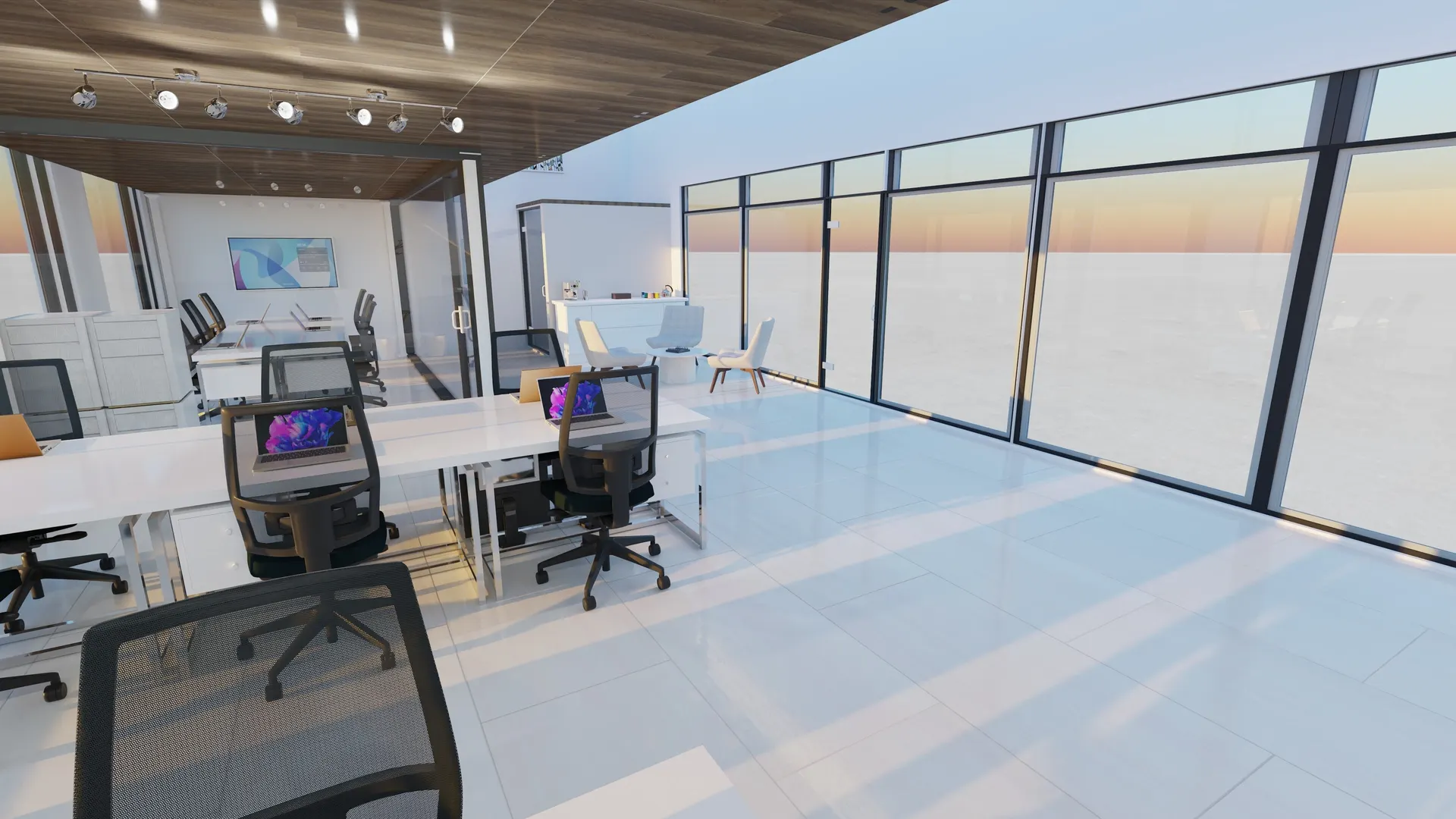
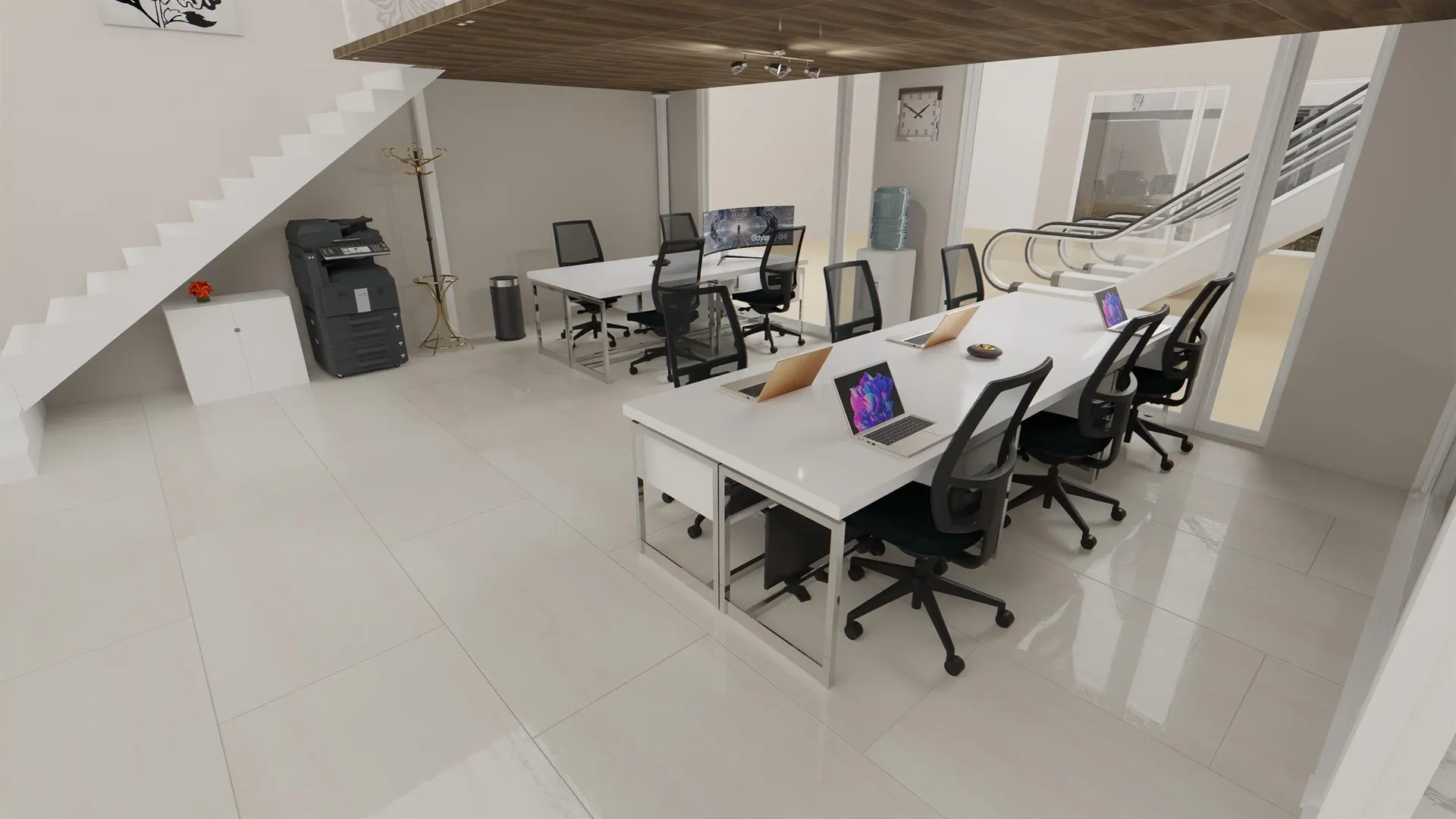
The café culture is real and laptop-tolerant, and for a morning it is all you need. For actual working weeks, the city has a small, genuinely varied coworking scene — an incubator, a state tech park, independents and us — which we compared honestly, prices and all, in this guide. Our own floor at Dukagjini Centre sells one thing: a dedicated desk that is yours for the booked period — €12 a day, €45 a week, €69 a fortnight, €95 a month, all-inclusive of fibre, kitchenette, phone booth and a staffed reception, with parking underneath. It is the only floor in the city you can book online with instant confirmation, which matters most on the day you land.
5. The one-week test
If you are weighing Pristina against the better-known nomad bases, the honest pitch is this: you trade the beach for a capital that is cheap, central-European-timed, euro-denominated and ninety minutes from half a dozen other Balkan capitals — and where a proper desk for the week costs less than two days of coworking in Lisbon. Book the week, work the week, and decide with your own laptop open.
Common questions.
- Do I need a visa to work remotely from Pristina?
- Citizens of the EU, UK, US and many other countries enter visa-free for short stays, typically up to 90 days, and Kosovo has no separate digital-nomad visa to apply for. Confirm current rules for your own passport with official guidance before travelling.
- How much does a working month cost?
- Kosovo uses the euro. Nomad cost-of-living indexes put a central one-bedroom at a few hundred euros a month and a good dinner under €20. A dedicated desk at Artana is €95 for the month — or €12 to try it for a day.
- Is the internet good enough?
- Yes — fibre is widespread in central Pristina and video calls are routine. Our floor runs on business fibre with a phone booth for calls.